Where to stay in Dublin: museums, evenings, stations and the coast
Trinity, Grafton Street and Merrion Square
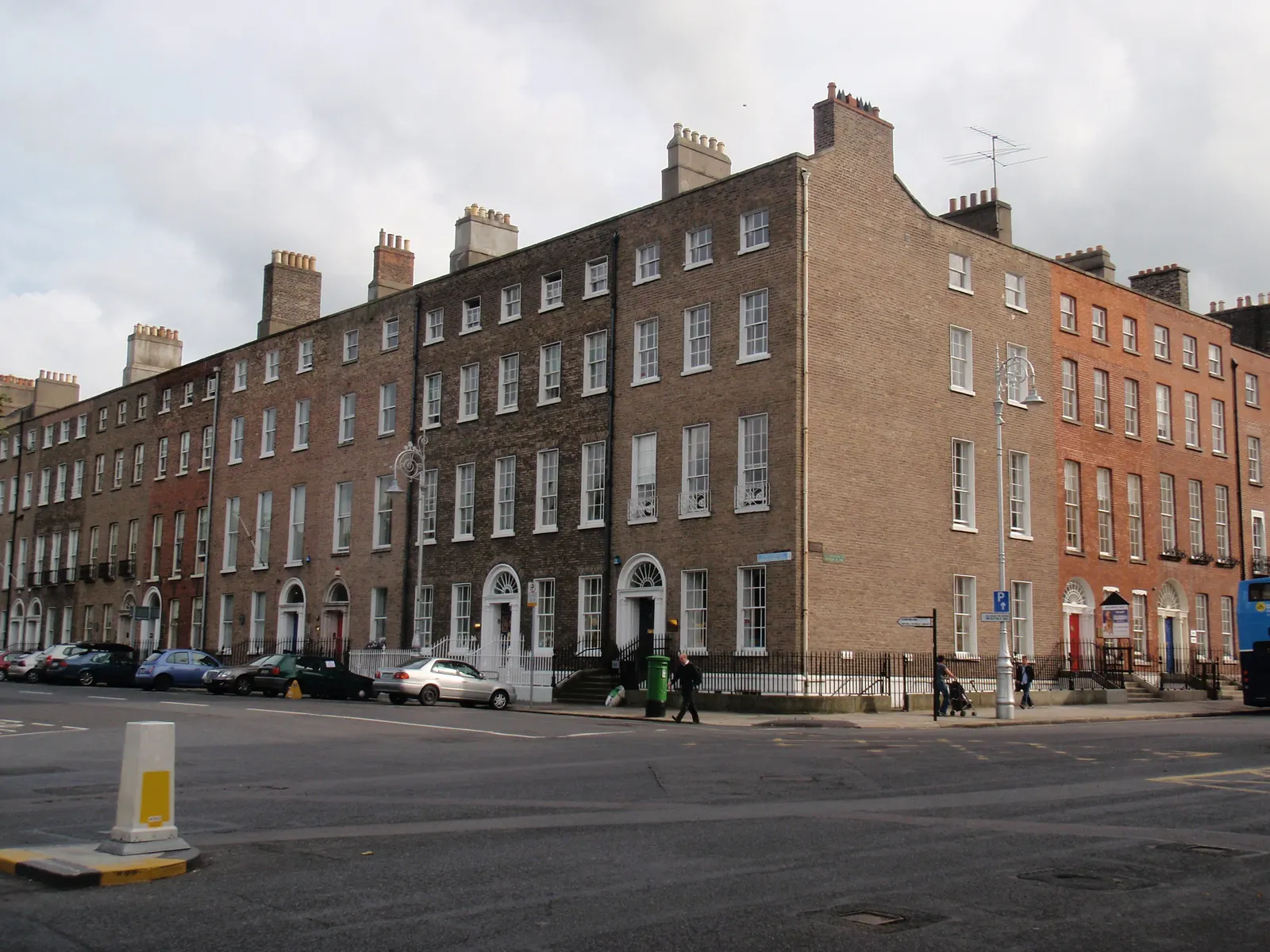
Trinity College, the National Gallery and the Archaeology museum on Kildare Street form a useful central-south group of visits. Grafton Street and St Stephen’s Green add shopping and outdoor time on the same side of the River Liffey. For a first weekend, this area makes it possible to spend a substantial day on foot without fitting a cross-city journey between every stop.
- Good for
- A first Dublin weekend centered on Trinity, the National Gallery, Archaeology and central-south walks.
- The trade-off
- A Heuston arrival is on the western side of the city; a central-south room does not remove that final transfer with luggage.
Temple Bar and the old city streets
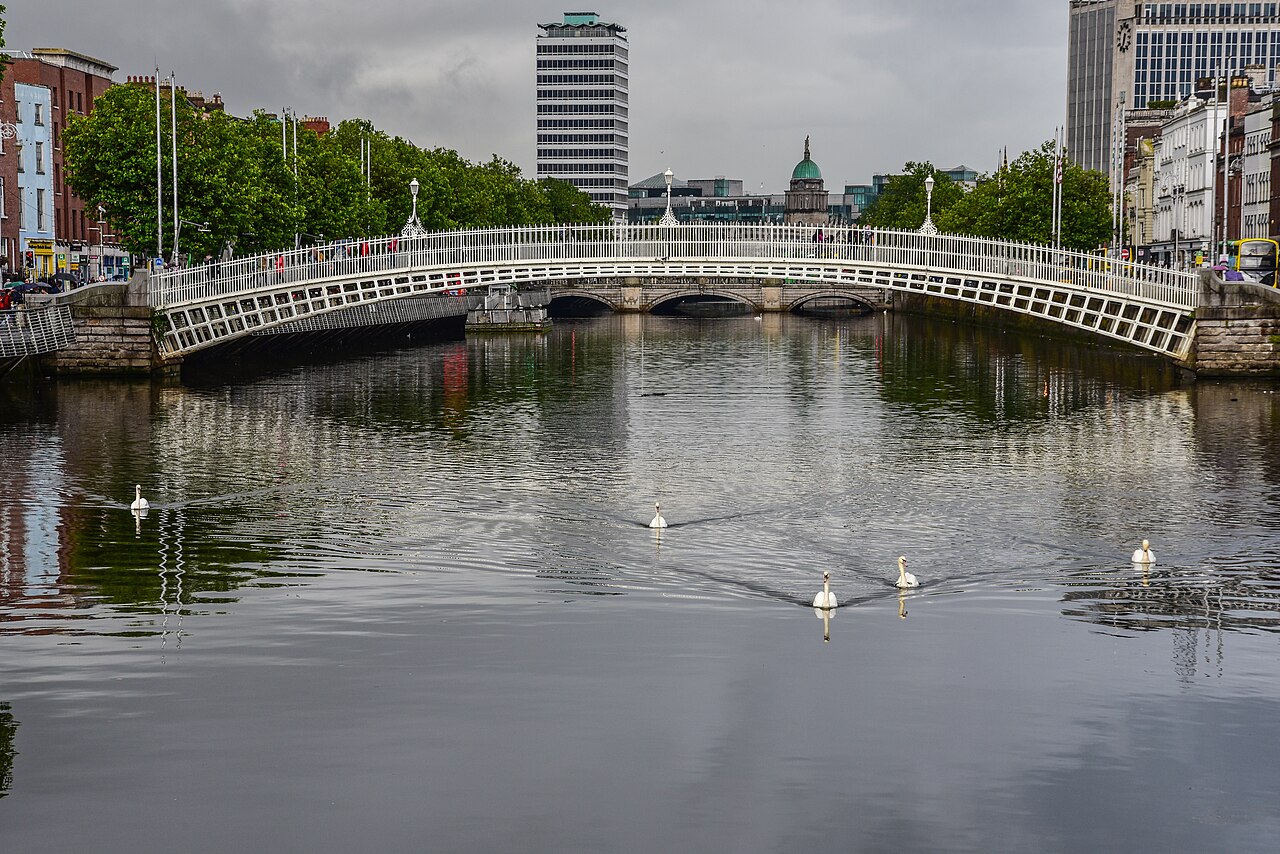

Temple Bar is the riverside cultural quarter on the south side of the Liffey. Its streets lead toward the older city around Christ Church and the castle quarter, while bridges connect it with the north-centre shopping streets. It is useful when an evening in this part of Dublin is something you want close to the accommodation, rather than an outing added to a museum day elsewhere.
- Good for
- Visitors who want the old city streets and central evenings nearby, with short walks across the river.
- The trade-off
- An entertainment-quarter address may be a poor sleep choice for an early start; an outward-facing room and a quieter room position are different products.
Pearse, Grand Canal Dock and the Docklands
Pearse is an east-side city rail station useful for DART travel, including a coast outing. The streets around it still connect with Trinity and the museum district. Farther east, Grand Canal Dock and the river Docklands put more emphasis on waterside walks, workplaces and event venues. Those addresses should not all be treated as one interchangeable city-centre location.
- Good for
- A trip combining central visits with DART travel, an eastern-city workplace or a Docklands event.
- The trade-off
- The farther east the address, the less it resembles a room beside the pedestrian shopping streets or the old city.
Heuston, Parkgate Street and Kilmainham
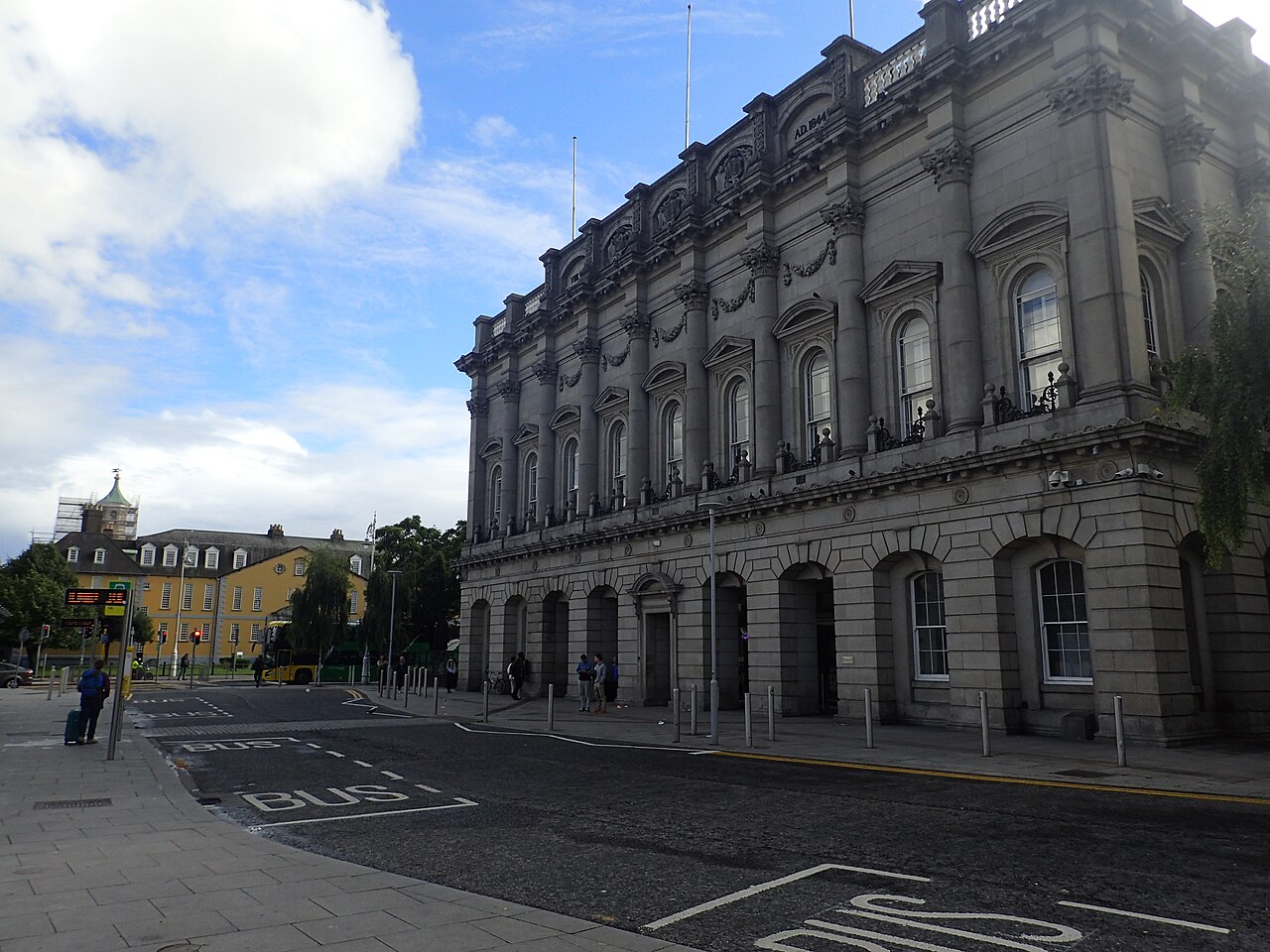

Heuston is Dublin’s western intercity station, separate from Connolly and the central DART stations. Parkgate Street and the western city are worth considering when the trip arrives or departs there. The surrounding part of Dublin also provides an approach toward Phoenix Park, Collins Barracks and Kilmainham, rather than placing every day around Trinity.
- Good for
- Visitors arriving at Heuston, planning western-city visits, or wanting that rail departure close to the final night.
- The trade-off
- Heuston is not a DART station. A Howth day or repeated central-south museum visits add another connection.
Smithfield and Stoneybatter
Smithfield is on the north-western side of the central city, with a broad square and streets leading into Stoneybatter. The distillery landmark, cinema and surrounding places to eat give this area an evening of its own. It suits a visitor who wants part of the stay spent outside the most familiar Trinity-and-Temple-Bar circuit, while still having a Luas connection for other days.
- Good for
- Repeat visitors and independent travelers who want a north-western neighborhood evening as part of the trip.
- The trade-off
- Trinity and the south-east museums are not all beside the accommodation, and a Stoneybatter address can add a walk before reaching Luas.
Connolly and the north-centre streets
Connolly is a north-side railway station serving DART and other rail services. The surrounding north-centre area gives access toward the river, O’Connell Street and the eastern city. It is a useful alternative to Heuston when the train or coast journey uses Connolly, rather than a second name for the same rail arrival.
- Good for
- Visitors whose train uses Connolly, or who want DART access alongside north-centre and riverside walks.
- The trade-off
- An airport-coach stop described as central may not be at the railway station; accommodation near O’Connell Street and near Connolly have different final walks.